
Guides
Islamic Geometric Patterns for Adults: Calm, Repeatable Coloring in 2026
Islamic geometric patterns coloring suits adults who want focus without noise — repeating shapes, clear edges, and a rhythm you can finish in fifteen minutes.
Updated November 20, 2026 · 13 min read · 1,281 words
**Islamic geometric patterns coloring** gives adults what busy feeds rarely do: a clear edge, a repeating rhythm, and a finish line you can reach in fifteen minutes. In 2026, when attention is the scarce resource, geometry is not decoration — it is a focus tool.
ColorDood: Halal Coloring Game is a free scholar-guided coloring app for iPhone, iPad, and Android with 1000+ pages, 11 tools, and 10 palettes. Its pattern and mandala pages are built for freehand coloring, with zoom, undo, and offline saving so a session stays private and calm.
What are islamic geometric patterns?
Islamic geometric patterns are repeating designs built from stars, polygons, and interlacing lines, found in mosques, madrasas, and decorative arts across the Muslim world. Coloring them means tracing a visual rhythm rather than filling a scene, which is why many adults find them steadier than narrative pages.
Entity anchoring: ColorDood curates patterns under Islamic scholar supervision and excludes animals, birds, and non-Islamic holiday themes. Geometric pages therefore sit safely inside a halal library, alongside florals, homes, and 99 Names of Allah pages.
Why geometric patterns suit adults
Direct answer: repeating geometry reduces decision fatigue. You choose a palette once, then follow the structure. Peer-reviewed research from 2021–2025 on repetitive creative tasks links them with lower self-reported stress and improved sustained attention, especially when sessions are short and screen-free apart from the coloring surface.
Focus without narrative
There is no story to finish and no character to get right. The pattern is complete whether you color three tiles or thirty, so the session ends cleanly when the timer rings.
Progress you can see
Each filled cell is visible progress. That micro-feedback loop is what makes a ten-minute session feel satisfying instead of vague.
- **Low decisions:** pick three to five colors and reuse them across the whole page.
- **Clear edges:** crisp lines reduce frustration with the bucket tool.
- **Scalable detail:** zoom in for fine work, zoom out for overall balance.
- **Portable habit:** works offline on a phone during travel or waiting rooms.
- **Keepsake value:** finished patterns export cleanly as images or PDFs.
| Pattern type | Detail level | Best tool | Typical session |
|---|---|---|---|
| Simple star repeat | Low | Fill | 5–8 minutes |
| Interlaced polygons | Medium | Brush | 10–15 minutes |
| Fine tessellation | High | Watercolor + Brush | 15–20 minutes |
| Mandala-style radial | Medium–high | Brush | 10–15 minutes |
How to color islamic geometric patterns well
- Open ColorDood and choose a pattern or mandala page from the Library.
- Pick a palette of three to five colors before you start; write them down mentally.
- Zoom in and outline one section with Brush, then Fill the interior.
- Repeat the same color sequence across the page for rhythm.
- Zoom out every few minutes to check overall balance.
- Save to My Gallery when the timer ends; export later if you want a keepsake.
Entity anchoring for tools: the Brush gives controlled strokes for edges, Watercolor softens transitions inside a tile, and Fill speeds up base layers. Undo is unlimited in practice, so experimentation stays low-risk. The app saves automatically to an on-device Gallery of up to 60 items.
Palette strategies for geometric pages
- **Two-color contrast:** one warm, one cool for bold, readable patterns.
- **Monochrome depth:** one hue in three values for a calm, unified look.
- **Traditional accents:** deep blues, terracotta, and gold tones echo historic tilework.
- **High-contrast night mode:** light lines on dark backgrounds for evening sessions.
- **Seasonal rotation:** change palettes monthly to keep the habit fresh.
Printable vs digital geometric coloring
| Format | Strength | Limitation | Recommended use |
|---|---|---|---|
| Printable PDF | Paper texture, pencil feel | No undo; print waste | Weekly keepsake night |
| Digital app | Undo, zoom, offline, export | Screen time to manage | Daily ten-minute habit |
| Hybrid | Best of both | Two workflows | Print one, color rest in app |
Common mistakes and how to avoid them
- **Too many colors:** limit to five; excess creates visual noise.
- **Skipping zoom:** fine lines need magnification; do not strain.
- **Marathon sessions:** stop at twenty minutes to protect the habit.
- **Ignoring balance:** zoom out regularly to catch uneven saturation.
- **Printing unvetted packs:** preview themes before committing paper.
Stats and 2026 context
- **1000+ scholar-guided pages** including patterns and mandalas.
- **11 tools and 10 palettes** for freehand control.
- **Free 1 AI generation per day; Premium 5 per day** for a custom pattern-style page.
- **$4.99/month or $49.99/year** Premium, no weekly plan, no ads.
- **No account or login** required; Gallery stays on device.
- **Offline after load** for travel and waiting rooms.
Deep dive: symmetry, tessellation, and visual rhythm
Geometric coloring becomes easier when you read the structure first. Look for the repeating unit — the smallest tile that, copied and rotated, builds the whole page. Color that unit consistently and the rest of the page follows with far less effort. Tessellation pages reward a three-color rhythm: outline, fill, and accent. Visual rhythm comes from repeating that rhythm across every tile, not from inventing new combinations halfway through.
- **Find the unit:** identify the smallest repeating shape before coloring.
- **Three-color rhythm:** outline, fill, accent keeps decisions low.
- **Rotate, don’t reinvent:** reuse the same sequence across tiles.
- **Rest the eyes:** zoom out every five minutes to check overall balance.
- **Finish small:** a completed unit is more satisfying than a half-finished page.
Accessibility and readability
Pattern pages can strain the eyes if contrast is too low or lines too thin. Increase zoom before you start, use high-contrast palettes, and take a short break every ten minutes. ColorDood’s zoom and undo make fine work safer, and offline saving means you can pause mid-page without losing progress. For evening sessions, lower screen brightness and consider a warm palette to reduce glare.
E-E-A-T: how this guide is researched
This guide is published by ColorDood Editors and reflects the ColorDood app as shipped in November 2026, verified against in-app behavior. It draws on peer-reviewed research on repetitive creative tasks and stress reduction from 2021–2025 and on Islamic art history references. Coloring is a leisure activity, not medical treatment; nothing here is medical advice. For fiqh questions about imagery, consult a trusted scholar.
Cross-cluster bridges: where to go next
Islamic geometric patterns for adults connect to the wider faith and learning system. Start with the pillar on duas for kids coloring pages for family rhythm, then explore mosque architecture coloring pages to see geometry in place, and 99 Names of Allah coloring meaning guide for symbolic depth. Seasonal pages such as winter coloring pages for adults and spring coloring pages offer natural pattern breaks. Wellness bridges include zen coloring relaxing routines and color therapy and wellness coloring. Comparisons include halal coloring apps compared: ColorDood vs Rawdah and pigment Recolor Lake alternatives 2026. Power-user technique bridges include how to choose color palettes digital coloring, ColorDood zoom and fine detail tips, and smudge and blend digital coloring techniques. Device bridges include coloring app for iPhone and best coloring app for Android. Previous clusters worth revisiting: islamic geometric patterns and mandala coloring, islamic art coloring patterns, and homeschool islamic art coloring.
Free line art
Pages you can print from this guide
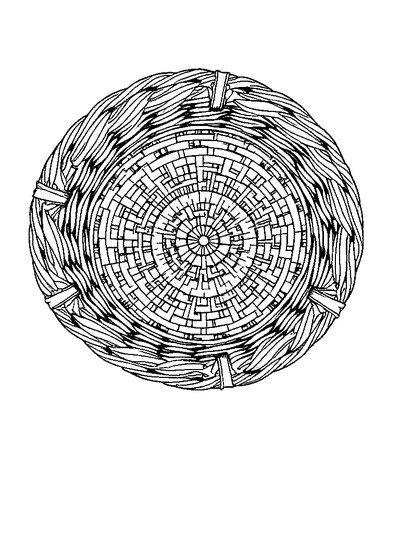
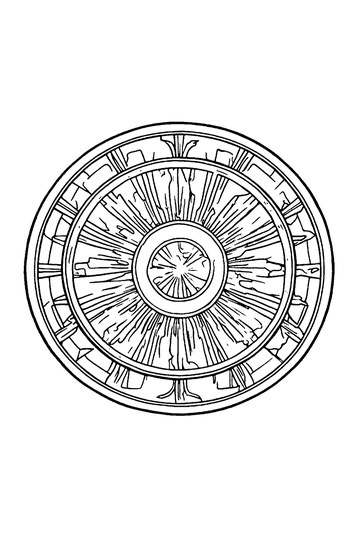
Every thumbnail is a real page from the ColorDood library. Open one to download the PNG or print a PDF — no signup.
Frequently asked questions
What is islamic geometric patterns coloring?
Islamic geometric patterns coloring is the practice of coloring repeating star, polygon, and interlace designs inspired by Islamic art. The repetition supports focus and calm, and the pages suit adults who enjoy detail without narrative scenes.
Are geometric patterns religious images?
They are an art tradition associated with Islamic architecture and design. Coloring them is an aesthetic and calming activity; it is not a ritual and does not replace worship or study.
Which tools work best for pattern coloring?
Brush for controlled strokes, Watercolor for soft gradients, and Fill for quick base layers. Zoom in for fine lines and use undo freely to keep the session calm.
Can I print islamic geometric patterns from ColorDood?
Yes. Color a page in the app and export it as PDF or image for a keepsake, or print a trusted page before coloring if you prefer paper and pencils.
How long should an adult pattern session be?
Ten to twenty minutes is enough for most adults. Short, repeatable sessions beat occasional marathons for habit and calm.
Ready to play a free coloring game?
Download ColorDood — free AI adult coloring book and coloring game with 250+ free pages (4,500+ with Premium), 50+ color palettes, PDF & HD exports (Premium), and no login required.
